why does my child cover their ears?
parent guide • 10 minute read
children > emotional regulation > why does my child cover their ears
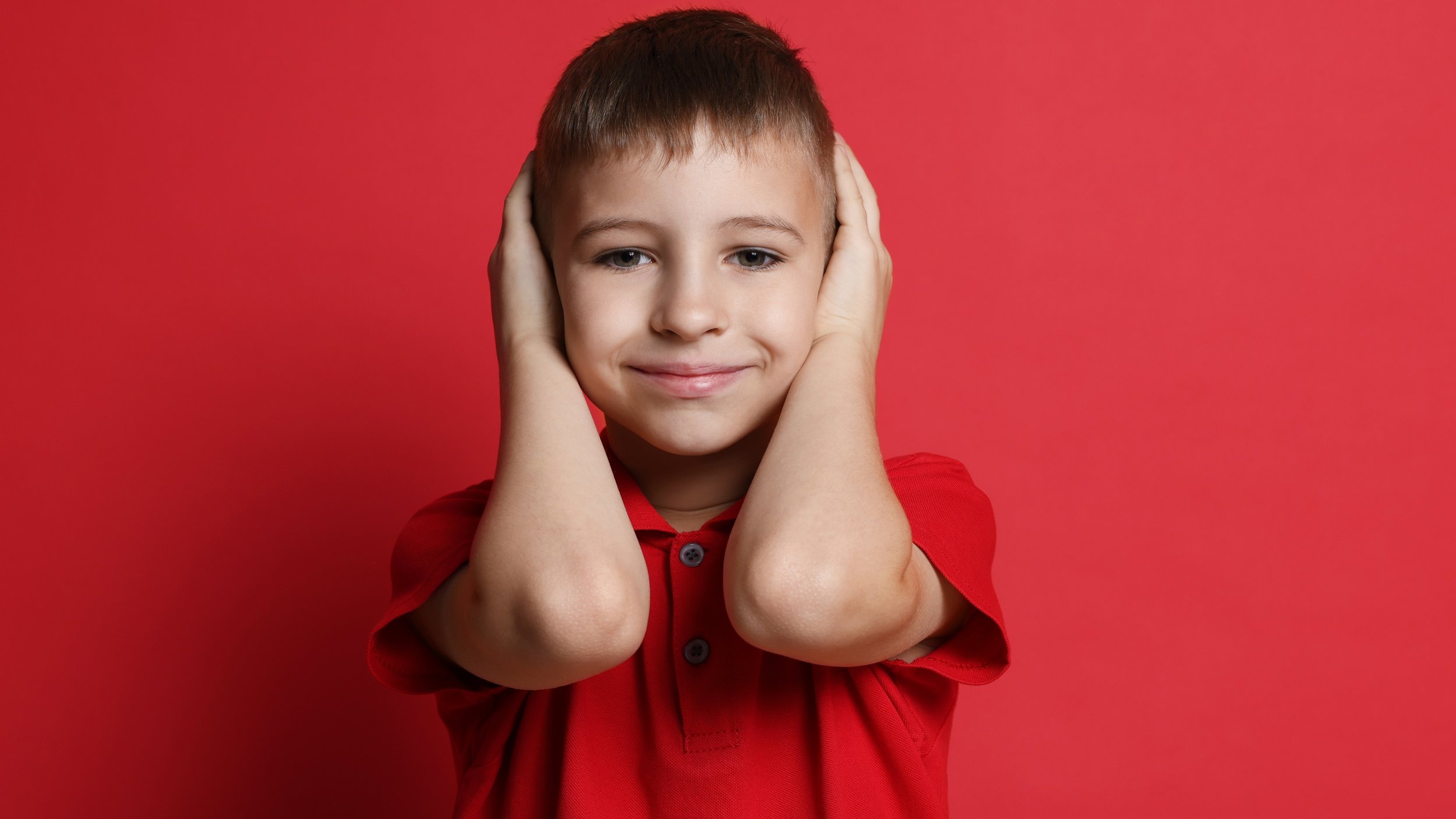
Many children cover their ears from time to time, particularly in busy, loud, or unfamiliar environments.
While this behaviour can sometimes seem unexpected, it is often a child's way of communicating that a sound feels overwhelming, uncomfortable, or difficult to process.
Understanding why this happens can help parents and caregivers provide the right support and create environments where children feel safe and understood.
what does it mean when a child covers their ears?
Many children cover their ears from time to time, particularly in busy, noisy, or unfamiliar environments. While this behaviour can sometimes seem unexpected, it is often a child's way of communicating that something in their environment feels uncomfortable, overwhelming, or difficult to process.
For some children, certain sounds may feel much louder or more intense than they do for other people. A hand dryer in a public toilet, a school bell, a crowded supermarket, or even several conversations happening at once can quickly become overwhelming. Covering their ears may be an instinctive way of reducing the amount of sensory information reaching them.
Children may also cover their ears when they feel anxious, tired, stressed, or overwhelmed. In these situations, the behaviour is often less about the sound itself and more about how their brain is coping with everything happening around them. What may appear to be a simple reaction to noise can sometimes be a sign that a child is struggling to process their environment.
It is important to remember that covering their ears is rarely a child being difficult or seeking attention. More often, it is a form of communication. By understanding what a child may be experiencing, adults can begin to respond with curiosity and support rather than frustration.

too much information
Busy environments can overwhelm the brain's ability to process everything at once.

too much noise
Some sounds can feel louder or more intense than expected.

a way of communicating
Covering ears can be a child's way of showing they need support, space, or understanding.
Covering ears can be a child's way of showing they need support, space, or understanding.
common reasons children cover their ears
Every child is different, and there is rarely a single reason why a child may cover their ears. Understanding the situations in which it happens can provide valuable clues about what they may be experiencing.
loud or unexpected noises
Some sounds naturally capture our attention, but for some children they can feel uncomfortable or even distressing. Hand dryers, fire alarms, vacuum cleaners, school bells, fireworks, and loud traffic are common examples of noises that may trigger a strong reaction.
busy environments
It is not always the volume of a sound that causes difficulty. Places such as supermarkets, shopping centres, classrooms, and family gatherings contain many sounds happening at the same time. The combination of conversations, movement, music, and background noise can quickly become overwhelming.
sensory sensitivities
Some children experience the world more intensely through their senses. Sounds that seem manageable to others may feel amplified or difficult to ignore. This can be particularly common in children with sensory processing differences, autism, ADHD, or additional learning needs, although it can affect any child.
feeling tired, anxious, or overwhelmed
Children are often more sensitive to noise when they are tired, worried, hungry, unwell, or emotionally overwhelmed. A sound that is manageable one day may feel much harder to cope with on another day when their emotional resources are already stretched.
needing a sense of control
Covering their ears can also be a child's way of creating a temporary barrier between themselves and an environment that feels unpredictable. By blocking out some of the noise, they may be trying to regain a sense of calm and control.
not having the words to explain
Younger children, or children who find it difficult to communicate their feelings, may use actions rather than words to show that something is bothering them. Covering their ears can be a powerful way of saying, "this feels too much for me right now."
signs your child may be experiencing sensory overload
Every child experiences sensory overwhelm differently. Some children become visibly upset, while others may appear quiet, withdrawn, or simply exhausted. Recognising the early signs can help adults respond before a child reaches a point of distress.
A child who is experiencing sensory overload may:
Cover their ears or avoid certain sounds
Become upset by noises that others seem comfortable with
Ask to leave busy places
Avoid crowded environments
Struggle to concentrate or follow instructions
Become irritable, frustrated, or emotional
Seem restless or agitated
Withdraw from activities they would usually enjoy
Seek quiet spaces or time alone
Appear unusually tired after busy outings or social situations
It is important to remember that these signs are not always caused by noise alone. Sensory overwhelm often occurs when a child is trying to process lots of information at once. What may look like challenging behaviour can sometimes be a child's way of coping with an environment that feels too demanding.
Children are not always able to tell us when they are becoming overwhelmed. Instead, they may communicate through their behaviour. Learning to recognise these signs can help parents, carers, and professionals provide support before a situation becomes more distressing.
Over time, many children can learn to recognise their own early warning signs. Developing this self-awareness is often an important first step towards building confidence, emotional understanding, and self-regulation skills.
things to look out for

wanting to leave

becoming upset
covering ears

struggling to concentrate

how can i help my child?
Supporting a child who covers their ears begins with understanding that they are often responding to an experience rather than trying to create a difficulty. When adults approach these moments with curiosity and empathy, children are more likely to feel understood and supported.
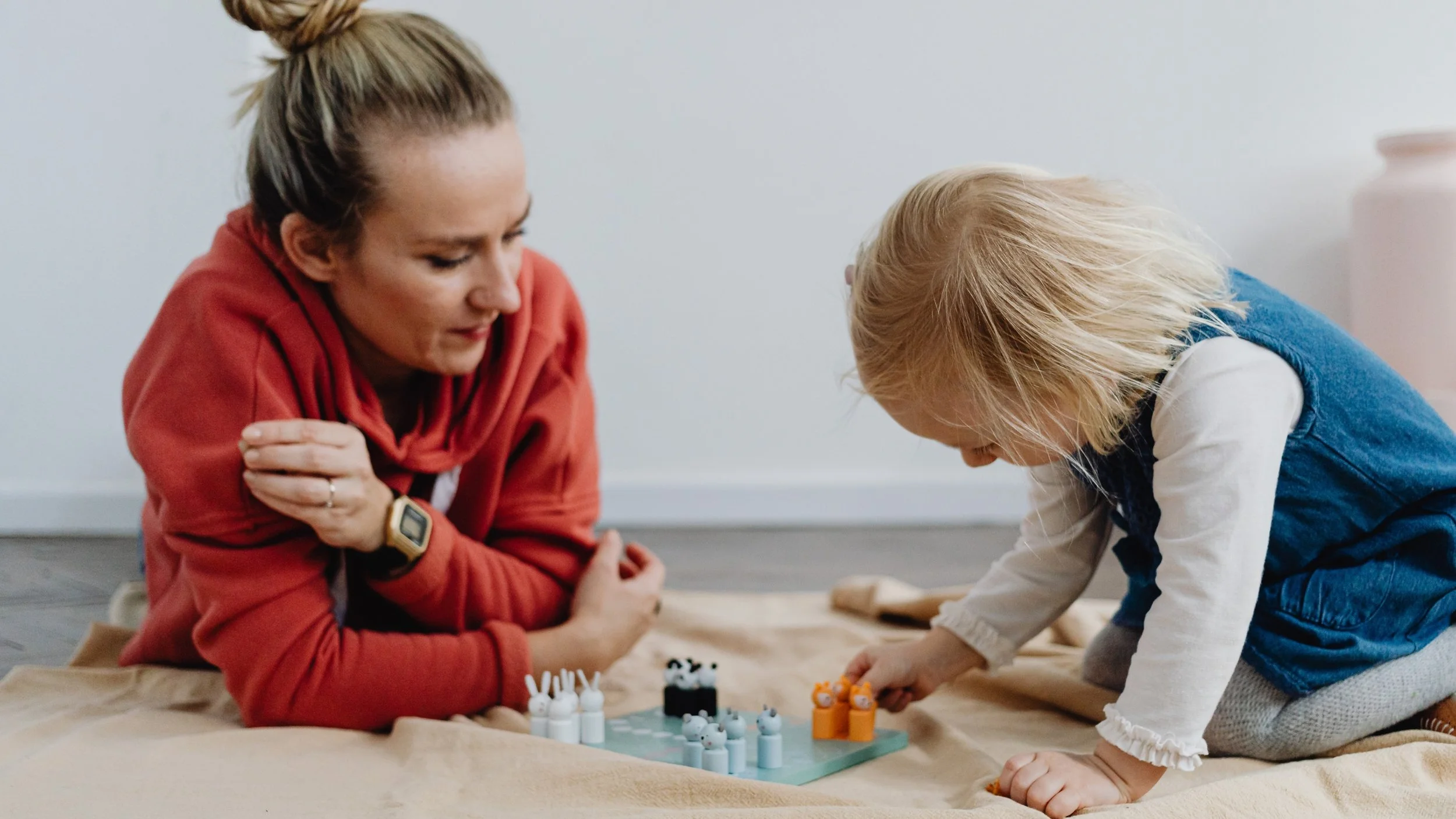
notice patterns
Try to observe when your child covers their ears. Does it happen in specific places, around certain sounds, or at particular times of day? Identifying patterns can help you better understand what may be triggering the behaviour and allow you to make small adjustments where possible.
prepare for challenging situations
If you know an environment is likely to be noisy or busy, preparing your child in advance can help reduce uncertainty. Talking about what to expect, planning breaks, or discussing ways they can ask for support can help them feel more confident.
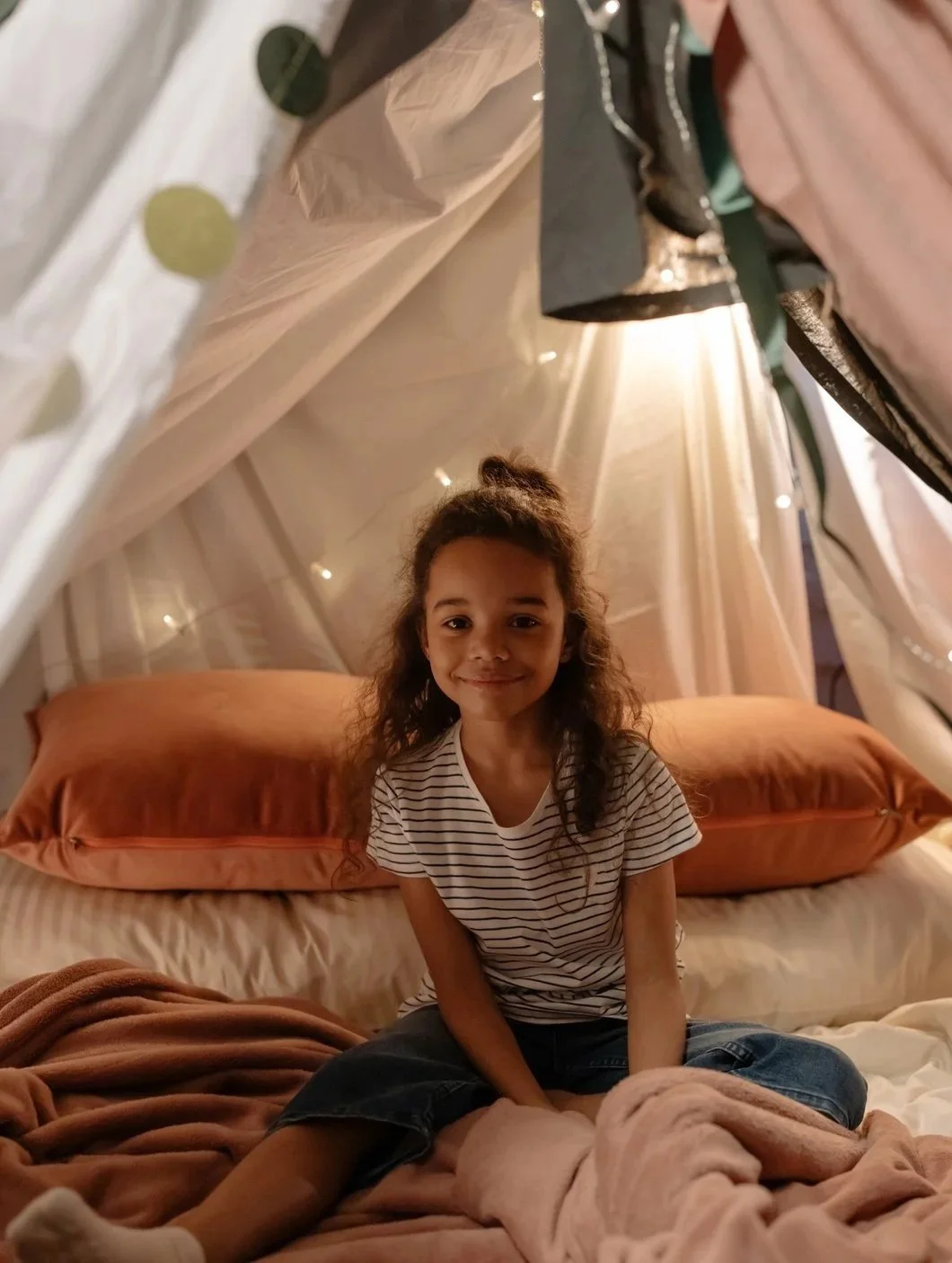
create opportunities for quiet
Many children benefit from having access to quieter spaces where they can take a break from sensory demands. This does not mean avoiding every challenging situation, but rather recognising when a child may need time to recharge before returning.
validate their experience
It can be tempting to reassure children that a sound is "not that loud" or that "everyone else is fine." While well intentioned, this can sometimes make children feel misunderstood. Instead, acknowledge what they are experiencing and let them know it is okay to find certain situations difficult.
help them develop the language to communicate
Children are often better able to manage overwhelming situations when they have words to describe what is happening. Learning to recognise sensations, emotions, and sensory experiences can help them communicate their needs more clearly and seek support before becoming overwhelmed.
focus on understanding rather than stopping the behaviour
Covering their ears is often a coping strategy rather than the problem itself. Instead of focusing on preventing the behaviour, it can be more helpful to understand what the behaviour is communicating and what support the child may need in that moment.
By helping children understand their experiences and develop strategies that work for them, we can support them in feeling more confident, comfortable, and in control when the world feels a little too loud.
notice patterns

prepare ahead
create quiet spaces
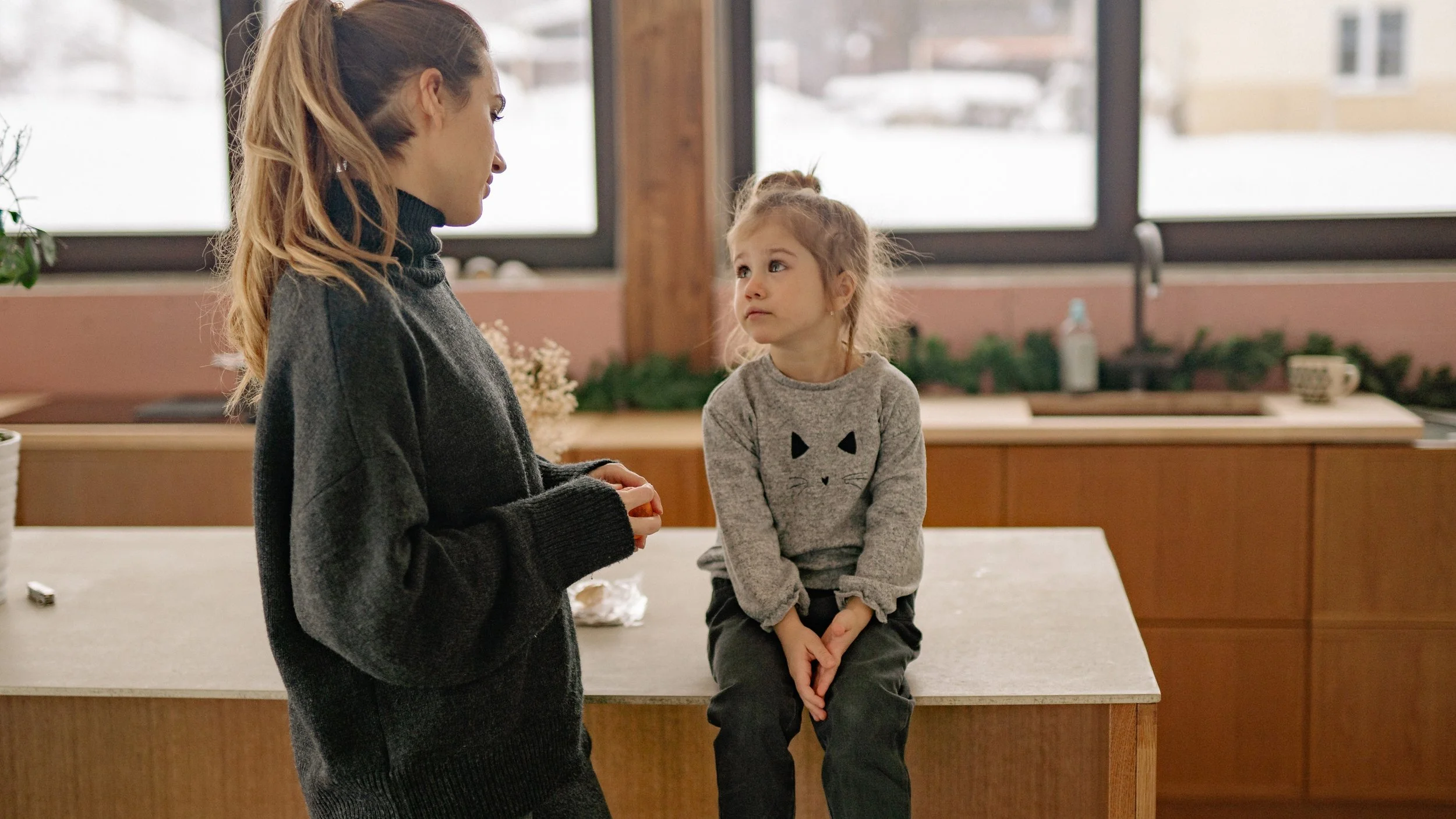
validate feelings

build communication
when should i seek additional support?
Every child experiences sensory challenges differently, and occasional sensitivity to noise is a normal part of development. However, there may be times when additional support could be helpful, particularly if sensory difficulties are having a significant impact on your child's daily life.
You may wish to seek further advice if your child:
Regularly becomes distressed by everyday sounds
Avoids activities, places, or experiences because of noise
Struggles to participate in school, family outings, or social situations
Experiences frequent emotional outbursts linked to sensory overwhelm
Appears highly anxious in busy environments
Finds it difficult to communicate what they are experiencing
Is becoming increasingly frustrated, withdrawn, or distressed
Seeking support does not necessarily mean that something is wrong. For many families, it is simply an opportunity to better understand a child's needs and explore strategies that can help them feel more comfortable and confident.
Support may come from a variety of sources, including teachers, SENCO’s/ALNCO’s, health professionals, therapists, or other specialists who can help identify practical ways to reduce overwhelm and support emotional wellbeing.
Most importantly, trust what you know about your child. Parents and carers are often the first to notice when something feels difficult or different. Early understanding and support can make a meaningful difference to a child's confidence, communication, and ability to navigate the world around them.

every child is different

small changes can make a big difference

sensory sensitivities are more common than people think

support is about understanding, not labelling
supporting children when things feel too loud
For some children, recognising and communicating sensory overwhelm can be difficult. They may know that something feels uncomfortable, but struggle to explain what is happening or ask for the support they need.
When Things Feel Too Loud has been designed to help children explore sensory experiences in a simple, accessible, and child-friendly way. Through guided discussion and visual supports, the resource encourages children to identify situations that feel overwhelming, recognise how those experiences affect them, and begin developing the language needed to communicate their needs with confidence.
Whether used at home, in the classroom, or as part of a wider emotional regulation programme, the resource provides a gentle starting point for conversations about sensory sensitivities, self-awareness, and emotional wellbeing.
By helping children understand their experiences, we can support them in feeling safer, more confident, and better equipped to navigate environments that sometimes feel a little too loud.
reviewed by ThinkaLearn
updated June 2026
reviewed by Lydia Cox
child psychologist
resource highlights
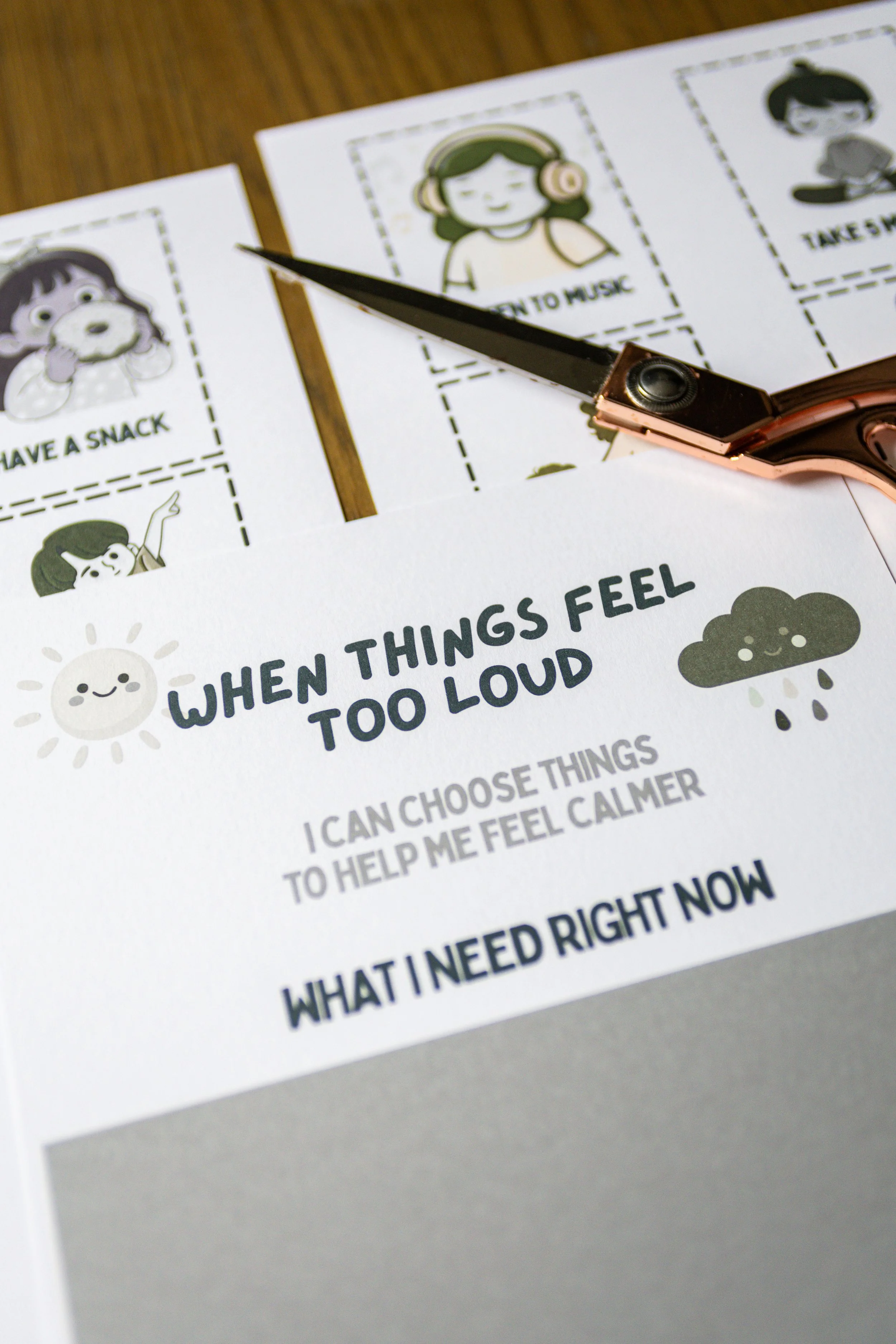
encourages conversations about sensory overwhelm
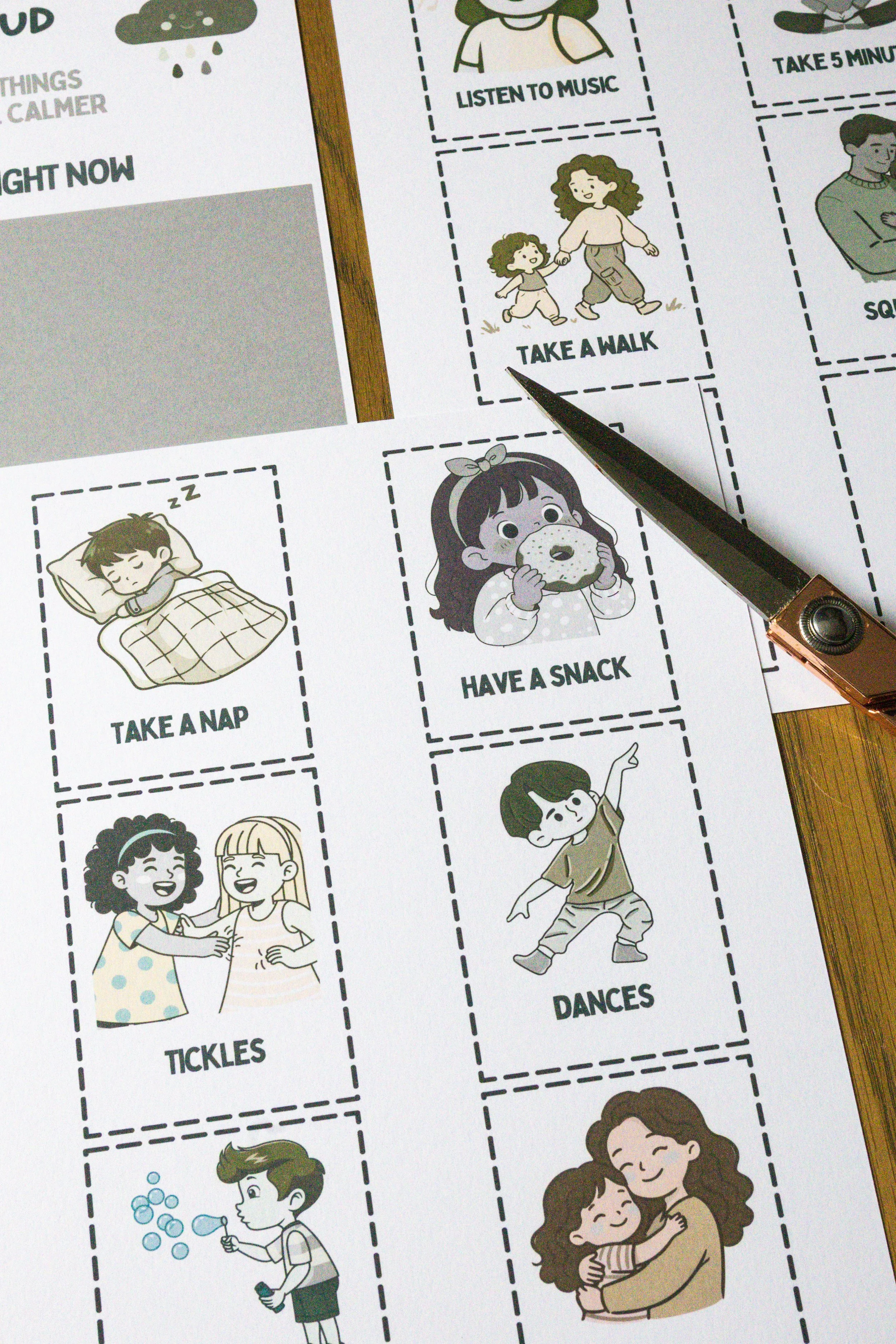
helps children recognise and communicate their experiences
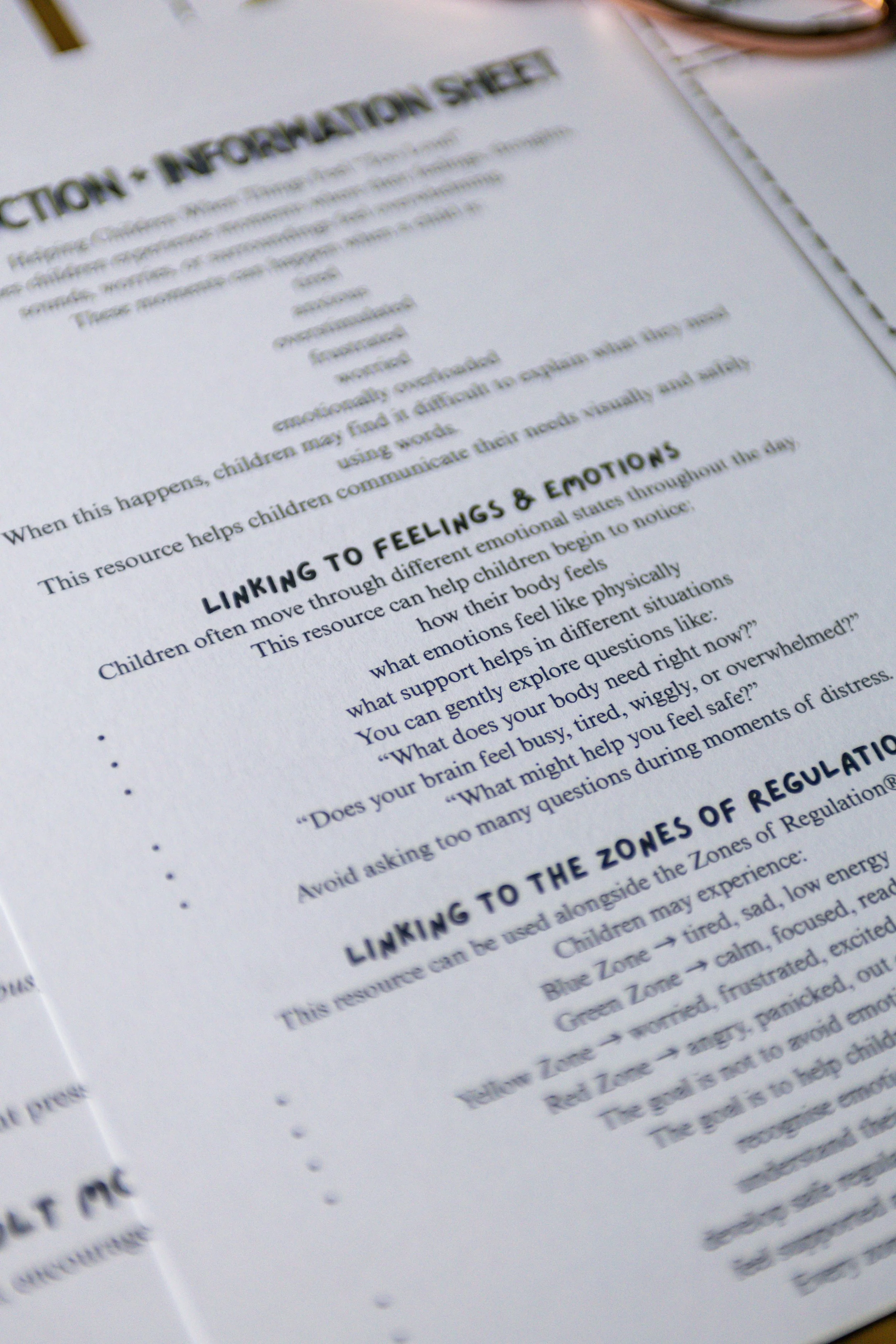
suitable for home, school, and professional settings